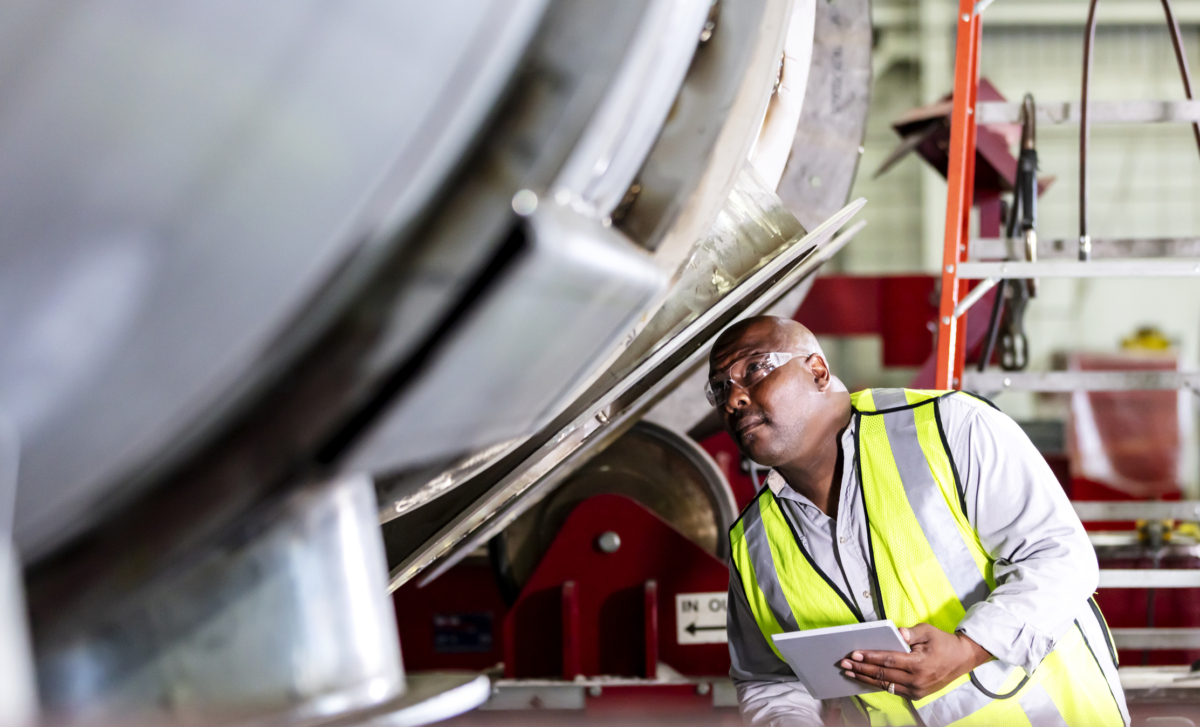
Heavy equipment tends to be expensive, shared across jobs, and constantly moving between sites. When teams do not know where equipment is, who’s using it, or whether it’s ready to use, daily operations slow down. In other words, when information about equipment is unreliable, planning becomes reactive, and teams waste hours searching for assets that should be easy to locate and ready to operate. This leads to significant downtime, unnecessary rentals, and avoidable cost increases.
Fortunately, optimized, modern heavy equipment tracking gives field and facilities teams practical visibility into their fleet without guesswork, delays, or unnecessary spending. With the right system, teams can see where equipment is, confirm availability, and keep jobs moving with fewer surprises. This level of real‑time visibility supports better decision‑making and improves overall operational efficiency, which means boosted productivity and profitability for businesses.
What is heavy equipment tracking?
Heavy equipment tracking is the process of monitoring the location, status, and usage of high‑value assets such as excavators, generators, compressors, lifts, and trenchers as they move between job sites. For field teams, tracking solves everyday operational challenges:
- Wasted time searching for equipment (and tools, as well)
- Unexpected downtime when equipment is not where it should be
- Uncertainty when planning jobs or scheduling crews
- Duplicate rentals or purchases because teams assume equipment is unavailable
When teams have real‑time visibility into equipment location and readiness, they can plan confidently, reduce downtime, and keep projects on schedule. This also helps maintain accurate inventory levels for equipment fleets and consumables that support them.
How does heavy equipment tracking work?
Modern heavy equipment tracking systems fit directly into existing field workflows. Instead of relying on office‑only tools or manual spreadsheets, teams use mobile‑friendly software to update equipment status, log usage, and view assignments from wherever they are working. This creates a more streamlined workflow and reduces the risk of shortages or overuse.
Here’s what such software makes possible:
Collecting and sharing equipment data
Teams can capture and access essential information such as location, usage, maintenance status, and availability from their phones or tablets. This creates a shared, always‑current view of the fleet, even when equipment is spread across multiple job sites. It also supports better maintenance operations and helps teams prioritize critical equipment.
Viewing and managing equipment through software
A centralized system gives teams a single place to:
- Check where equipment is assigned
- Confirm whether it is available or in use
- Review maintenance needs or service history
- Track usage to prevent overuse or underuse
This reduces downtime, improves accountability, and supports more accurate planning and replenishment decisions.
What are the key features to look for in a heavy equipment tracking system?
The best systems focus on day‑to‑day usability, not complicated technical capabilities. Look for features like the following, which directly reduce downtime, improve planning, and help teams stay organized.
-
Real-time location visibility
Teams should be able to quickly see where equipment is and who last used it. This reduces time spent searching and helps supervisors plan jobs with confidence. Real‑time visibility also supports better asset tracking and management across multiple sites.
-
Maintenance tracking and reminders
A good system helps teams stay ahead of service needs by tracking maintenance history, upcoming tasks, and usage‑based reminders. This prevents breakdowns, reduces unplanned downtime, and extends equipment life.
-
Usage tracking
Usage logs help identify equipment that is overused, underused, or sitting idle. This supports better allocation and reduces unnecessary rentals. It also provides data that can improve demand forecasting for supporting materials and consumables.
-
Mobile access
Field teams need information wherever work happens, not just in the office. Mobile access ensures updates happen in real time, improving accuracy and accountability. Insist on a software that syncs to the cloud, is secure, and is easily accessible via smartphone and tablet, not just desktop computer.
This easy, comprehensive guide can help you:
Free Ebook: Track Equipment & Tools Like a Pro
What are the benefits of heavy equipment tracking?
Heavy equipment tracking creates meaningful improvements that teams notice immediately. Here are some notable benefits:
Less downtime and reduced theft risk
When teams know where equipment is and whether it is ready to work, delays drop significantly. Visibility also discourages unauthorized use and helps teams identify missing equipment sooner.
Better maintenance and longer equipment life
Maintenance reminders and usage logs help teams stay ahead of service needs. This reduces breakdowns and extends the lifespan of high‑value assets. It also supports cost savings by reducing emergency repairs and last‑minute rentals.
Clearer job planning and equipment allocation
Supervisors can assign equipment confidently because they know what is available and what is already committed to other jobs. This improves planning accuracy and reduces workflow disruptions.
Stronger accountability without extra oversight
With clear records of usage and assignments, teams stay aligned naturally. There is no need for micromanagement, and equipment stewardship improves across the board.
How to choose the right heavy equipment tracking solution
Choosing a system is not about finding the most complex tool. It is about finding one that your team will actually use long after implementation begins, and even as your business evolves. These tips can help you pick the best solution:
Identify your biggest equipment challenges
Are you dealing with location issues, maintenance gaps, or unclear usage? Start with the problems that slow your team down the most. This helps prioritize features that will deliver the greatest operational efficiency.
Prioritize ease of use
A system should work without long training sessions or dedicated admins. If it is too complicated, field teams will not use it consistently, which leads to inaccurate data and unreliable inventory levels.
Plan for growth and mobility
Choose a system that works across multiple sites, supports a growing fleet, and adapts as your operations expand. This ensures long‑term value and reduces the need for future system replacements.
Look for clear, usable reports
Reports should help teams make decisions, not overwhelm them. Focus on insights that support planning, maintenance, and resource allocation. Good reporting also helps identify cost savings opportunities and supports continuous improvement.
Bringing visibility and control to heavy equipment management
Heavy equipment asset tracking is ultimately about clarity. Teams need to know what equipment they have, where it is assigned, and whether it is ready to work. The best systems support how field teams already operate and give them the visibility they need without adding extra steps.
With a modern, mobile‑friendly tracking system, teams can cut delays, avoid unnecessary costs, and keep jobs moving smoothly. This creates a more predictable workflow and reduces the operational friction that slows projects down.
Sortly gives field and facilities teams a simple, flexible way to track heavy equipment across job sites with real‑time visibility, mobile access, maintenance reminders, and easy reporting.
Start your two‑week free trial of Sortly today.