Construction equipment theft can disrupt projects of any size, whether a company manages five job sites or fifty. A generator might go missing from a laydown area over a long weekend, or a trailer full of tools could disappear, leaving crews waiting for replacements.
The cost goes beyond replacing stolen equipment. A single theft can lead to project delays, higher insurance premiums, and additional time spent filing reports and arranging replacements. Even with security measures in place, theft can happen. Keeping accurate records of the equipment you own, its last recorded location, and who last used it can make it easier to identify missing items and respond when something goes wrong.
This guide covers recent construction equipment theft statistics, commonly stolen items, when and how theft occurs, and practical steps to protect your equipment.
How big is the construction equipment theft problem?
Industry estimates have placed annual U.S. construction equipment theft losses as high as $1 billion, according to the most recent publicly available reports from the National Equipment Register (NER) and the National Insurance Crime Bureau (NICB).
Other job site security and construction site theft data has found that these types of theft are becoming more common over the last few years.
Construction site theft statistics: what the latest data shows
Recent reports highlight the impact of theft and security incidents on construction projects:
- Break-ins at commercial sites: Monitored break-ins at U.S. commercial construction sites rose by 51% between 2024 and 2025, increasing from 1,750 to 2,639 confirmed incidents, according to Truelook and Noonlight’s 2026 State of Construction Site Security Report.
- Theft-related project delays: 20% of surveyed construction leaders identified security-related project delays in Pro-Vigil’s State of Physical Security Entering 2026 research.
- Holiday theft rises: Equipment theft can be a concern during long weekends and holidays. NER’s Labor Day 2025 snapshot recorded 242 incidents totaling $6.9 million in losses. Their Thanksgiving 2025 snapshot recorded 187 incidents and approximately $5.3 million in losses.
What construction equipment gets stolen most?
Some types of construction equipment are more frequently targeted than others. Here’s where to consider the most prevention-focused efforts.
Heavy equipment
Skid steer loaders topped the list of stolen equipment types in NER’s 2025 Thanksgiving snapshot, accounting for 28% of reported incidents. Mowers and utility vehicles were also among the commonly reported categories.
Backhoes and excavators are frequently stored outdoors and can be expensive to replace, making accurate equipment records and security measures particularly important.
Small tools and materials
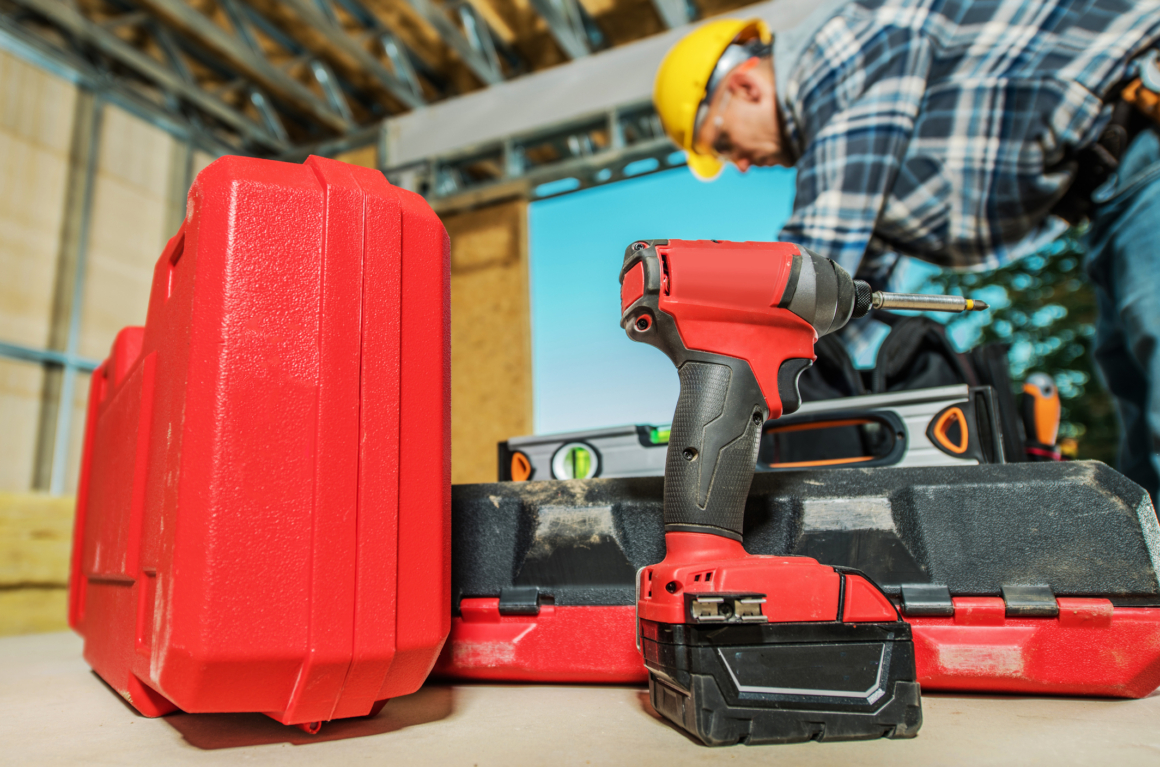
Generators, air compressors, welders, and power tools such as saws, drills, and nail guns are common targets. Staged materials, including copper wire, lumber, and roofing supplies, can also be vulnerable. TrueLook and Noonlight’s 2026 report identifies storage containers and temporary power equipment among other reported targets.
These items are common theft targets because they’re portable, they hold their resale value, and they’re hard to trace back to an owner.
When and how does construction theft happen?
Although construction theft isn’t always predictable, there are certain patterns to watch out for:
Timing
- Construction sites may face greater theft risks overnight, on weekends, and during holidays, when fewer people are present. TrueLook and Noonlight put more than 40% of incidents on weekends, with the highest number of overnight incidents around 11 p.m. to 3 a.m.
- The report found a seasonal increase in thefts starting in April, when more active construction projects are running throughout the spring and summer.
Common methods of construction theft
- Unsecured perimeters can create opportunities for theft and vandalism. In TrueLook and Noonlight’s data, trucks entering construction sites were the most commonly reported entry method, while unlocked or unsecured gates were a leading contributing factor.
- Organized theft rings specifically target high-value equipment and towables, which are easy to hitch and haul away.
- Heavy equipment is typically moved out on flatbed trailers. Smaller tools can simply be carried off site.
It’s also important to note that loss isn’t always due to external theft. Internal loss can occur internally through things like estimating and bidding errors, poor cost tracking, and lack of communication. This is exactly why visibility and accountability across every team member matter as much as perimeter security.
The hidden costs beyond stolen equipment
Replacing stolen equipment is often only part of the expense. Operations leads and administrative managers tend to feel these costs first:
- Project delays stretch on while the team waits on replacement equipment.
- Insurance claims on the stolen items can lead to higher premiums at renewal.
- Administrative time is spent on police reports, insurance claims, and procurement.
- Financial penalties can occur depending on your contract if delays cause missed deadlines.
- Workforce downtime hurts productivity while crews wait for essential equipment.
Accurate inventory records can’t eliminate these risks, but they can make it easier to identify missing equipment, document losses, and gather the information needed for insurance claims and police reports. That can reduce the time teams spend searching for details when they’re already dealing with a disruption.
Equipment recovery rates depend on identification
Unfortunately, recovering stolen equipment can be difficult. EngiMarket’s analysis of 2025 FBI crime data found that only 8.5% of reported hand and power tool theft incidents included a record of recovered property, compared with just 12.4% of incidents involving heavy construction and industrial equipment.
However, reporting theft promptly and providing accurate identification details are still important steps to potential property recovery. Successful recovery often depends on how quickly equipment can be identified. Making sure your tools and machinery have a product identification number (PIN) on file allows law enforcement to better verify and track stolen equipment.
What is the National Equipment Register (NER)?
The National Equipment Register (NER) is a database that maintains equipment information that helps law enforcement identify stolen heavy equipment and support recovery efforts. NER is part of Verisk and works with the National Insurance Crime Bureau (NICB) to share relevant theft information.
The register has three tools worth knowing:
- HELPtech is the registration database. Owners, fleets, and rental companies register each machine’s make, model, year, and PIN. Registered owners may be eligible for insurance incentives from participating insurers.
- IRONcheck is a used-equipment history report. It checks PIN accuracy and looks at theft and ownership records, insurance claim history, and whether a lender has an interest in the machine. Reports come back within 24 business hours.
- Theft reports are free. Equipment doesn’t have to be registered with NER to be reported.
How to check if equipment was reported stolen before buying it
Before purchasing used construction equipment, consider ordering an IRONcheck report from NER. The report helps verify product identification numbers and searches for theft records, ownership history and potential financial claims. Reports arrive within 24 business hours. Compare the seller’s price with market value, since an unusually low price can be a warning sign.
6 practical strategies to prevent construction equipment theft
No single step can eliminate the risk of equipment theft, but combining physical security with consistent tracking efforts can help protect your assets. Include these practices in a written security plan that your team understands and follows.
1. Maintain accurate inventory across all job sites and locations
Knowing what tools, equipment, and materials you have—and where they’re assigned—can help your team identify missing items and respond more efficiently to potential theft. Start by maintaining accurate records of high-value assets across job sites and storage locations.
A simple way to ensure you know where everything is and who moved what where is by using inventory management software like Sortly that acts as a visual, searchable database.
Documenting every asset with photos, serial numbers, model numbers, and purchase records lets you confidently keep a digital record, so you can notice any missing items much quicker than with manual lists and spreadsheets.
Sortly’s Jobs add an extra level of security by providing a clear view of every tool and supply used on a job site, along with custom roles and permissions that allow managers to control what different team members can access.

2. Use asset tags, QR codes, and barcodes
Tag every asset so it can be scanned and identified in seconds. A tag ties the physical item to its record, which is why QR codes in construction work well for equipment that moves between sites: a crew member can pull up the model, ID number, and history from a phone instead of searching by memory.
Sortly’s QR code and barcode scanning lets teams open an item’s record from a phone and update it on the spot, which keeps the audit trail current in case something needs to be recovered. Once your tools and equipment have been given QR or barcodes, employees can easily check items in or out by scanning each code, which instantly updates the status and location.
Another smart construction equipment management strategy is to equip access control capabilities, so only authorized workers can get those items. A digital log creates accountability and a paper trail without adding much work for the crew.

Free Ebook: The Complete Guide to Barcoding Your Inventory
This easy, comprehensive guide will help you:
- Implement a barcode inventory system for your business
- Generate your own unique barcodes
- Practice perpetual inventory control with barcoding
3. Secure the job site perimeter
Fencing, locked gates, and controlled entry points are important parts of job site security. TrueLook and Noonlight found that unlocked or unsecured gates were a common contributing factor in the incidents they monitored.
Use secure entry points to limit unauthorized access, and add adequate lighting around equipment storage areas to make those areas easier to monitor.
4. Install surveillance and monitoring
Security cameras, motion-activated lighting, and alarms can help teams monitor job sites and detect suspicious activity. Test these systems regularly, and make sure cameras capture clear images of vehicles, license plates, and people during both daytime and nighttime conditions.
You may also want to install high-value equipment with GPS trackers that show where a machine is on a map. Some tracking systems use geofencing to create a virtual boundary around a job site or storage yard and send alerts when a machine leaves the designated area.
Teams often pair GPS tracking systems with an inventory record: the tracker shows where a machine is, and the record shows what it is and who last had it. There are also compact tracking devices available for smaller tools and towables, such as trailers.
5. Store equipment and keys securely when it’s not in use
Forgetting keys in a construction vehicle overnight is another common cause of theft. Set reminders to remove keys once a shift ends and secure trailers and light towers with wheel and hitch locks so they can’t be easily towed away.
Whenever possible, move high-value gear into locked service bays, set end-of-shift reminders to clear out trailers, and relocate machines off idle sites before holidays or long breaks.
6. Register equipment with NER and document identification numbers
Consider registering your machines with NER’s HELPtech database. Keep serial numbers and vehicle identification numbers for trucks and trailers in a centralized, accessible system so they’re easy to access when needed.
Review equipment records regularly to make sure everything’s accurate as part of good construction asset management. If an item is stolen, this information can help your team quickly prepare a report for the police and insurance companies.
What to do if your construction equipment is stolen
Even with good procedures, construction site theft can still happen. Acting quickly helps:
- File a police report. Contact local law enforcement as soon as you discover the theft and keep the report number for your records.
- Notify your insurance company. Provide the insurance report number and your equipment records.
- Report the loss to NER. Submit an online theft report or contact NER at 866-663-7872. Have the equipment’s identification number, model details, and police report number available. NER accepts theft reports for equipment that hasn’t been registered previously and shares relevant information with law enforcement through its NICB partnership.
Having accurate equipment records readily available can make theft reporting easier. With Sortly, teams can access photos, ID numbers, purchase records, and the item’s last recorded location. These details can help them provide more complete information to law enforcement and insurance providers.
Keep track of construction equipment with Sortly
Construction equipment theft can affect projects of any size. Protecting equipment requires a combination of physical security and accurate inventory records. Knowing what equipment you have and where it’s assigned can help your team identify discrepancies and respond when something goes missing.
When the whole team consistently updates inventory records, businesses have better visibility into item details, what projects specific equipment is being used on, and any movements between job sites.
Sortly helps construction teams track tools and equipment across job sites and storage locations with visual item records, mobile scanning and history.
Want to learn more about how Sortly can help you keep track of the equipment your projects depend on? Start your two-week free trial of Sortly today.
Frequently asked questions (FAQ)
What should I do immediately after discovering stolen equipment on a job site?
File a police report as soon as you discover the theft and keep the report number. Notify your insurance provider, then report the loss to NER. Gather equipment identification numbers, photos, model details, and purchase records to support your reports and provide accurate information.
What construction equipment is stolen most often?
Skid steer loaders were among the most frequently stolen equipment types in NER’s 2025 holiday theft reports, with the Thanksgiving snapshot identifying them as the leading category. Mowers and utility vehicles were also commonly reported. Smaller items, including generators, power tools, and copper wire, can be attractive targets because they’re portable and may have resale value.