
For heavy civil and commercial construction firms, managing what happens inside warehouse walls is often treated as an inevitable operational mystery. Consumable job supplies go out, field crews request more equipment, and accounting departments write off missing inventory as an unquantifiable cost of doing business.
That was the reality facing Constructors, Inc., a heavy civil contractor based in Carlsbad, New Mexico. Executing over $200 million in commercial and infrastructure projects annually with $170 million in active open work, the company has scaled rapidly. But there was a time when its approach to tracking warehouse supplies, high-value field tools, and corporate equipment was stuck in the past—reliant on paper logbooks that provided the illusion of accountability without any actionable data.
By implementing Sortly, Constructors, Inc. transformed an untraceable overhead function into a centralized, data-driven operation. Today, the firm uses Sortly as a single source of truth to track over $1.1 million in physical inventory and capital assets—driving operational accountability across job sites, streamlining insurance renewals, and sparking a company-wide shift toward data-backed decision-making.
Moving beyond paper tracking and “scarecrow” accountability
Before introducing digital tracking, inventory control at Constructors, Inc. depended on a single paper notepad kept on the warehouse desk by a long-time warehouse manager. Whenever a worker or crew leader picked up supplies or equipment, the transaction was written down by hand.
While the practice was intended to make field teams feel accountable, the physical logs were simply filed away into cabinet drawers. The records were completely unsearchable, impossible to analyze for trends, and provided leadership with zero visibility into actual stock levels or real-time tool locations. Crucially, company-wide operational knowledge lived almost entirely in one person’s head.
“If I got hit by a bus, no one would know what the hell was going on,” recalls Clayton Pesek, who oversees inventory processes and operational optimization at Constructors, Inc.
Upon reviewing the warehouse system, Pesek realized that paper logging was acting as a deterrent rather than a functional inventory tool.
“The paper logs weren’t actually being used for anything,” explains Pesek. “The only reason [anyone] was writing it down is so the people requesting stuff felt like they were going to be held accountable for what they took out of the warehouse. It was nothing more than a scarecrow. We didn’t know what we were actually handing out, who had gotten what, or where it was going.”
Without searchable data, tools frequently went missing, job materials were over-purchased, and management had no clear method to verify what was sitting in physical storage versus what was active in the field.
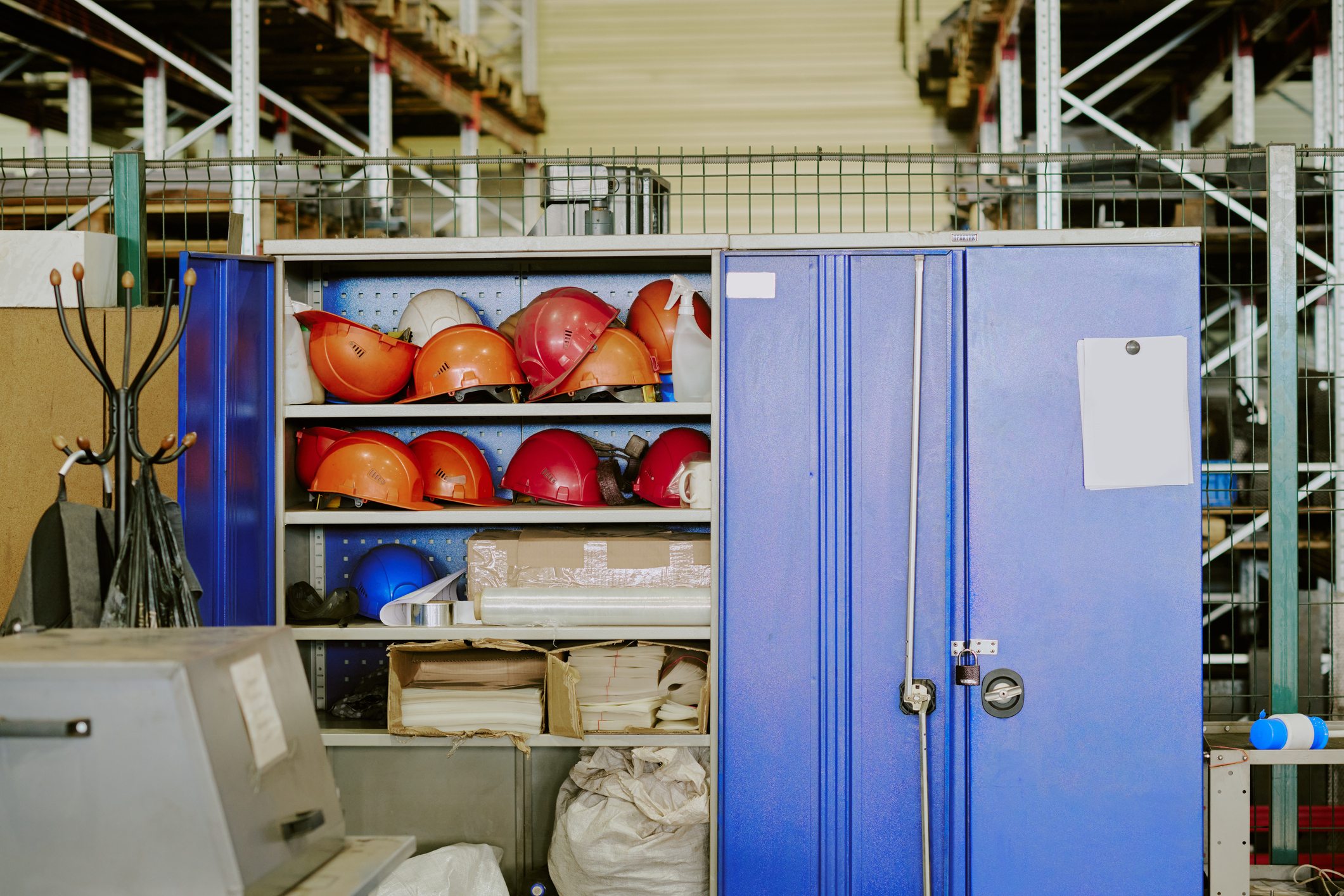
Proving Sortly’s value on the warehouse floor
Determined to replace the “scarecrow” method with real data capture, Pesek began evaluating modern inventory software. Rather than committing immediately to a paid subscription, he started with a free trial of Sortly to test the workflow directly on the warehouse floor.
“I wanted to see, brass tacks, how it actually worked and how I could set it up,” says Pesek. “So I went out to the warehouse, set up some items, tried to do some transactions, and started messing around with it, and then said, ‘Hey, I think this is gonna work.’”
After proving that the mobile interface was intuitive enough for warehouse staff, Pesek pitched the platform to the company’s controller and CFO. With leadership’s backing, Constructors, Inc. rolled out Sortly across its entire supply and asset tracking operations.
How Constructors, Inc. keeps $1.1M+ in assets and supplies running
Unlike typical retail or manufacturing operations that manage identical, mass-produced SKUs, heavy construction requires tracking a blend of high-turnover job consumables, assigned field tools, regional facility assets, and mobile IT hardware.
To bring order to these disparate categories, Constructors, Inc. structured its inventory within Sortly around clear operational workflows.
1. Barcoding warehouse consumables and job supplies
The team began by organizing its primary warehouse using barcoding. Everyday job supplies and consumables—including survey stakes, marking tape, gloves, safety glasses, cleaning supplies, and office essentials—were cataloged and tagged. Warehouse staff scan items directly to specific personnel or project codes upon checkout, providing leadership with clear monthly reports on material distribution.

2. Implementing tool check-in/check-out and rental dates
To track higher-value small equipment like chainsaws, backpack blowers, and power tools, Constructors, Inc. physically attached barcodes to each unit. Inside Sortly, every tool profile includes model numbers, photos, physical condition notes, serial numbers, and attached purchase receipts.
To maintain visibility without permanently writing off equipment, Pesek created a digital checkout process using Sortly’s date-based alert feature as a tool “rental” deadline. When an assigned tool reaches its return date, automated notifications prompt managers to verify whether the tool is still needed on site or ready to return to the warehouse.
This process quickly eliminated long-standing tool hoarding on job sites. In one instance, a site foreman requested a larger tool trailer because his current trailer was overflowing. An audit against Sortly revealed he had accumulated an entire trailer of rarely used equipment that belonged back in central storage for other crews.
3. Maintaining data integrity through 80/20 audits
To ensure digital records align with physical reality, Constructors, Inc. establishes strict operational routines around inventory audits.
“Your system is only as strong as your processes. We go back and [regularly] do 80/20 inventory audits,” Pesek noted.
During weather delays or light-duty shifts, warehouse team members perform monthly 80/20 spot-checks on high-turnover items—such as safety equipment and job materials—comparing physical stock against Sortly as their source of truth to maintain strict variance control.

Expanding across the business: IT assets, office furniture, and loss prevention
As executive leadership witnessed the clarity Sortly brought to warehouse operations, other departments noticed and began adopting the platform for asset management across the organization.
- IT hardware and field technology: The IT department adopted Sortly to track laptops, office monitors, scale-house equipment, and field iPads used by superintendents and project estimators.
- Employee returns: HR, IT, and warehouse managers now cross-reference Sortly records during employee departures to verify that all assigned tools, tablets, and gear are returned prior to final offboarding.
- Insurance audits: When the CFO required an accurate asset registry for an upcoming insurance renewal, Constructors, Inc. used Sortly to tag and log over $364,000 in office furniture, displays, and equipment across regional offices.
Sortly’s centralized record-keeping also proved crucial following an external theft on a job site. Because every high-value tool entry in Sortly contains photos, serial numbers, and attached original invoices, the company was able to file accurate, fully documented claims with both local law enforcement and insurance providers.
Quantifying Sortly’s value: from “black hole” to data-driven decisions
Today, Constructors, Inc. actively tracks over $1.1 million in physical assets and inventory within Sortly:
- $121,000 in warehouse consumables and active job supplies.
- $650,000 in small tools, field equipment, and communication gear.
- $364,000+ in office furniture and administrative assets across regional facilities.
- Essential IT assets, including field tablets, laptops, and site printers.
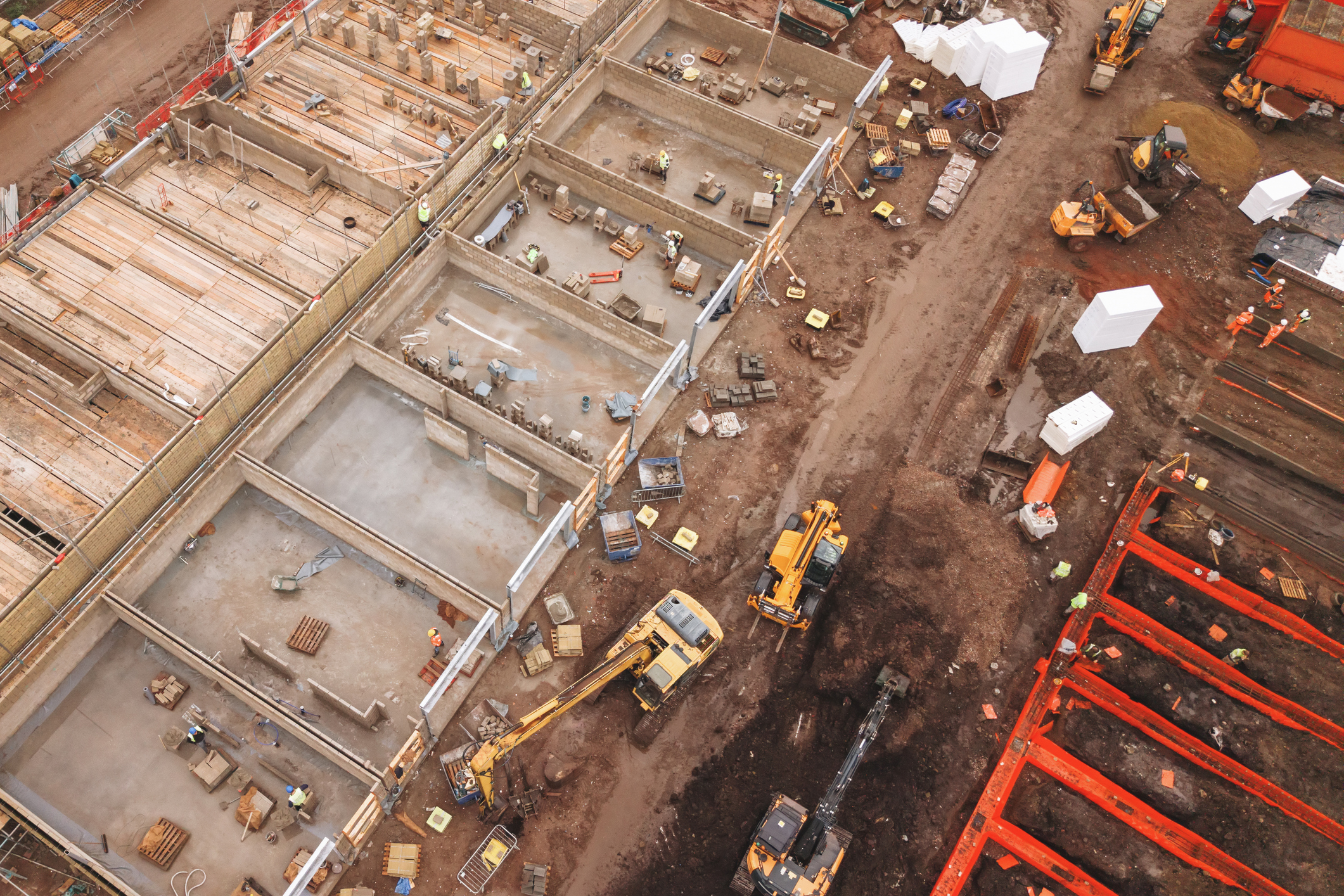
While transitioning away from unsearched paper notes makes it hard to calculate exact past labor hours saved, the real return on investment for Constructors, Inc. has been strategic visibility and long-term culture change.
“It’s tough to put a dollar amount to [the value of Sortly] because we have knowledge now and before we didn’t,” Pesek notes. “We know what we’re spending, we know what we have, instead of looking at spending reports and wondering why we spent so much… It started a trend where people found out that we could take a black hole of ‘overhead’ and start setting budgets.”
By turning what was previously dismissed by accounting as an untraceable expense into a transparent, searchable database, the project served as a catalyst for broader corporate initiatives.
“This type of data capture and this type of data visibility is critical to making decisions within any type of organization,” Pesek reflects. “Taking the time to utilize the software helps you make data-driven decisions. It literally changed the course of the company and started different conversations. Shifting the paradigm within the company by bringing this type of data transparency started here, but then people [across the company] started trusting those inputs. It got me a seat at the table.”
Building a culture of asset transparency
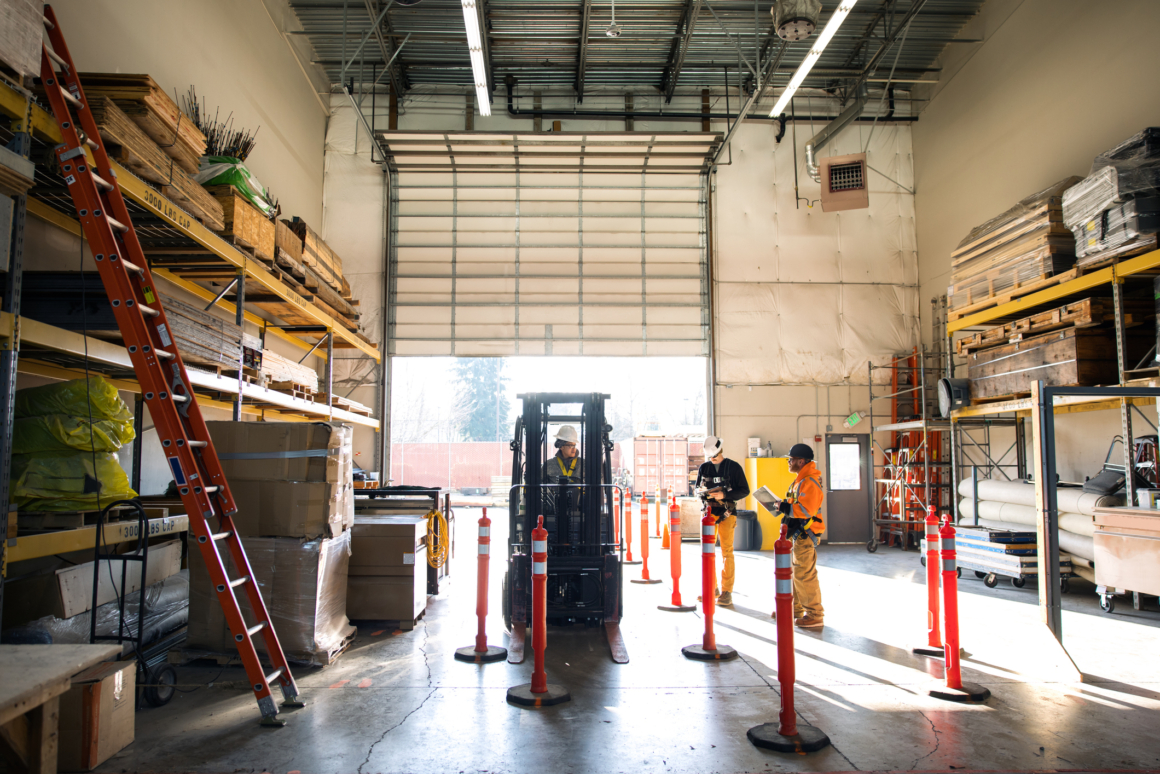
For other construction firms and commercial operations looking to modernize their inventory management, Pesek recommends starting with the basics, establishing clear structures early, and building processes around flexible software.
“Try the free version,” Pesek advises. “Once you start using it, you’ll really realize how flexible it is.”
By combining robust inventory software with disciplined internal processes, Constructors, Inc. proved that even the most chaotic warehouse operation can transform into a strategic asset. If your team is ready to eliminate inventory guesswork and gain complete control over your tools, materials, and equipment, explore how Sortly empowers construction teams and start streamlining your asset and material tracking with Sortly today.